Platform Innovations Bridge Tennis and Cricket Betting Markets via Stacked Promotional Frameworks
Yara Lange · Jun 7, 2026
Platform Innovations Bridge Tennis and Cricket Betting Markets via Stacked Promotional Frameworks
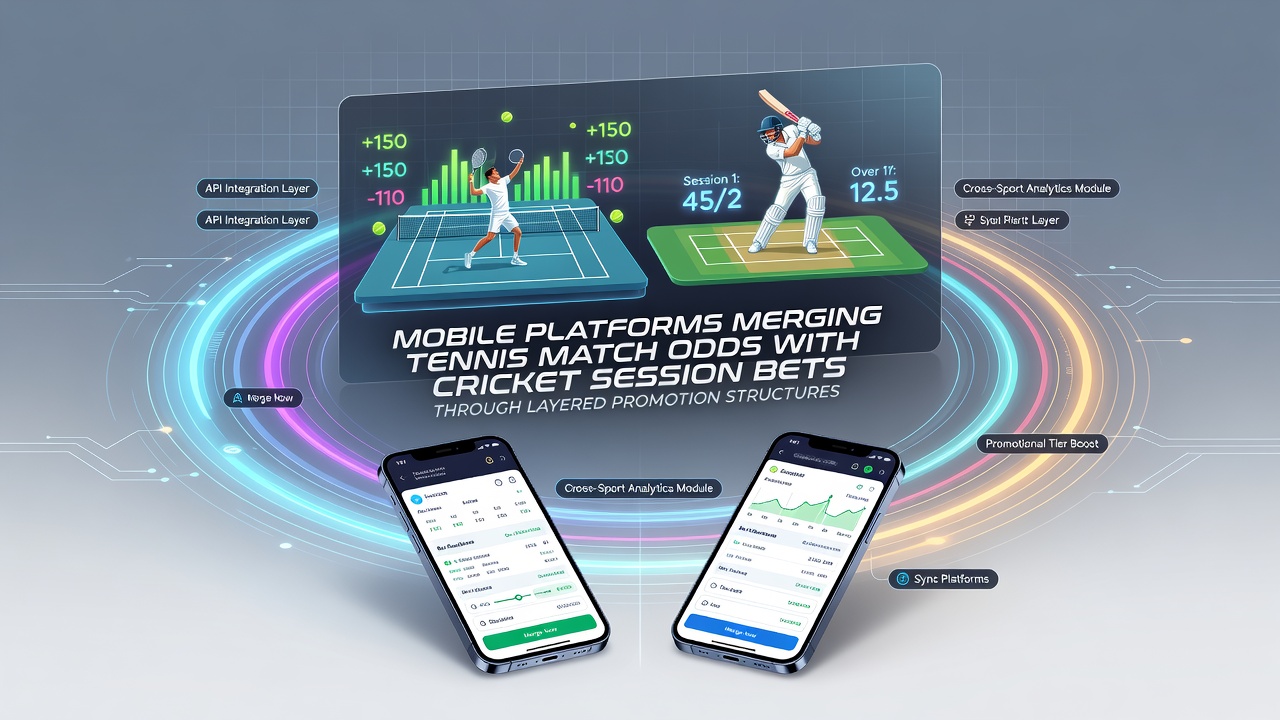
Mobile platforms have developed systems that connect tennis match pricing directly to cricket session markets through multi-tiered reward structures, allowing users to move between the two sports while accumulating layered incentives. Operators structure these frameworks so that wagers placed on tennis matches generate credits or boosts that apply to cricket overs and sessions, creating continuous engagement across both codes. Data from industry tracking services indicates this integration gained momentum in early 2026, with several major apps rolling out updates that synchronize odds displays and promotional triggers in real time. The technical architecture relies on unified user accounts that track activity across sports, feeding into algorithms that calculate eligibility for successive reward layers. A player who places a stake on a tennis set might receive an immediate multiplier that activates when switching to cricket session betting, while additional thresholds unlock further free bets or cashback once volume targets are met. These mechanisms operate without requiring separate logins or manual transfers between sections of the app.Mechanics of Cross-Sport Reward Layers
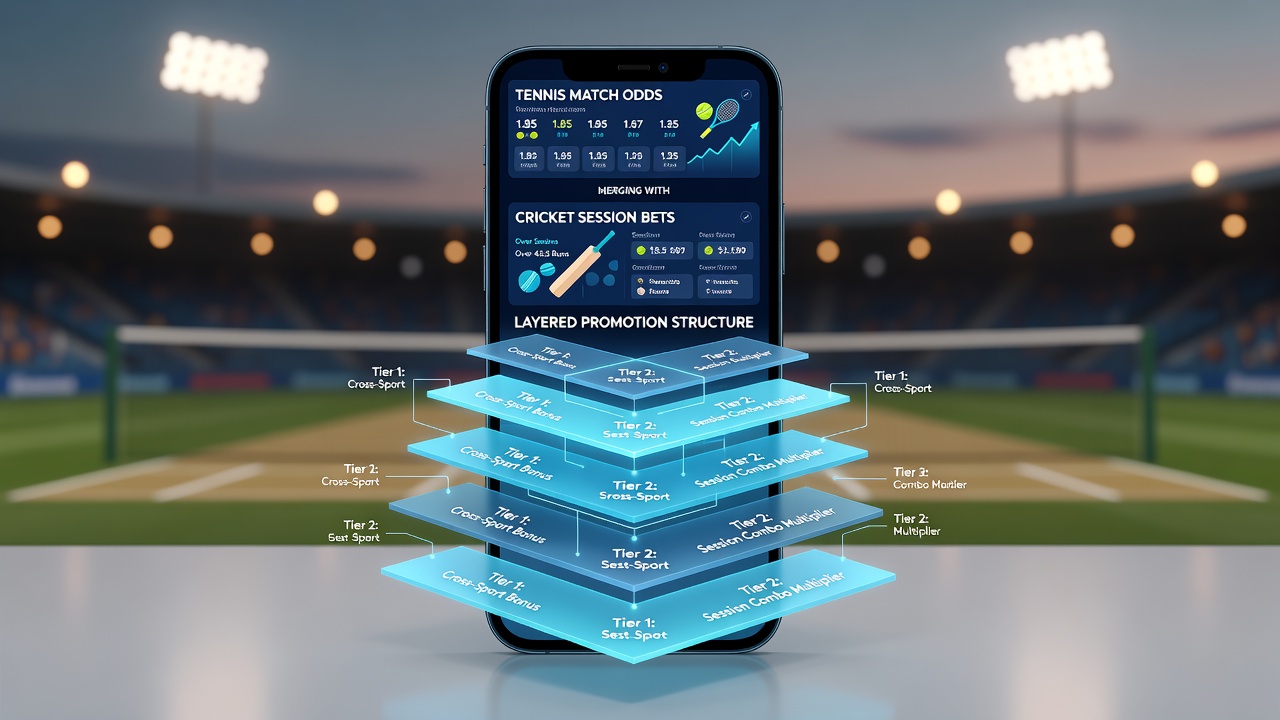
Layered promotions typically begin with a base welcome offer tied to an initial tennis deposit, then progress through stages where cricket activity extends the value. First-tier rewards often include enhanced odds on tennis rallies that convert into stake boosts for cricket innings, while second-tier elements add cashback percentages that accumulate only when both sports see activity within the same session. Observers note that the sequencing encourages users to alternate between longer tennis matches and shorter cricket segments, maintaining account balances through chained incentives.
Session-based cricket betting, which focuses on discrete overs or powerplays, pairs naturally with tennis point-by-point markets because both allow frequent decision points. Mobile interfaces present these side by side, with toggle options that carry promotional status from one sport into the other. According to figures released by the European Gaming and Betting Association, cross-sport promotional uptake rose steadily through the first half of 2026 as platforms refined their synchronization tools.
Market Context and Regional Patterns
Platforms operating in multiple jurisdictions have adapted these structures to comply with varying regulatory requirements while preserving the core linkage between tennis and cricket offerings. In markets where session betting carries specific disclosure rules, operators display clear terms for how tennis-derived credits transfer to cricket wagers. June 2026 saw several apps introduce time-limited campaigns that aligned with major tennis tournaments and concurrent cricket series, amplifying the visibility of the merged interfaces.
Research compiled by the University of Nevada, Las Vegas Center for Gaming Research shows that mobile users who engage with multi-sport layered offers tend to maintain longer session durations compared with single-sport activity. The study tracked anonymized data patterns across platforms and found measurable increases in cross-category movement when promotional layers were active. Operators cite these findings when refining their algorithms to balance reward frequency against responsible gaming thresholds.
Implementation Examples Across Providers
One established operator introduced a three-stage structure in which tennis match accumulators unlock cricket session free bets at predefined intervals, with each stage requiring a minimum stake threshold that resets monthly. Another platform uses a points-based system where every tennis game won by the user's selection contributes toward cricket over multipliers, visible in a shared progress bar. These implementations differ in presentation yet follow the same principle of connecting the two sports through sequential reward triggers.
Technical updates rolled out in spring 2026 improved latency between the sports sections, allowing promotional status to persist even when users switch apps or receive push notifications. Such refinements reduce friction and keep the layered incentives active across the user journey. Industry reports highlight that these changes coincided with broader adoption of unified wallets that handle both tennis and cricket settlements without additional verification steps.
Regulatory and Operational Considerations
Regulators in several jurisdictions have examined how layered cross-sport promotions affect player behavior, focusing on transparency around odds movement and reward conversion rates. Platforms respond by embedding detailed breakdowns within the app that list each layer's conditions before activation. In June 2026, guidance from Australian state authorities emphasized the need for clear separation between sports-specific terms and combined promotional rules, prompting some operators to adjust their display formats accordingly.
Operational teams monitor the interaction between tennis and cricket markets to prevent unintended overlaps in promotional triggers, particularly during periods when major events in both sports occur simultaneously. Data pipelines feed live odds from each sport into a central promotion engine that recalculates eligibility in real time, ensuring users see accurate reward status regardless of which market they view first.
Conclusion
Mobile platforms continue to refine the linkage between tennis match odds and cricket session bets through increasingly sophisticated layered promotion structures. These systems rely on synchronized account tracking, algorithmic reward sequencing, and regulatory-compliant transparency tools that together create fluid movement between the two sports. As updates in 2026 demonstrate, the approach centers on technical integration and measurable user patterns rather than isolated product features.