Multi-Leg Reward Systems Bridge Horse Racing Tracks and Basketball Courts Through Layered Incentives
Kai Günther · Jul 14, 2026

Multi-Leg Reward Systems Bridge Horse Racing Tracks and Basketball Courts Through Layered Incentives
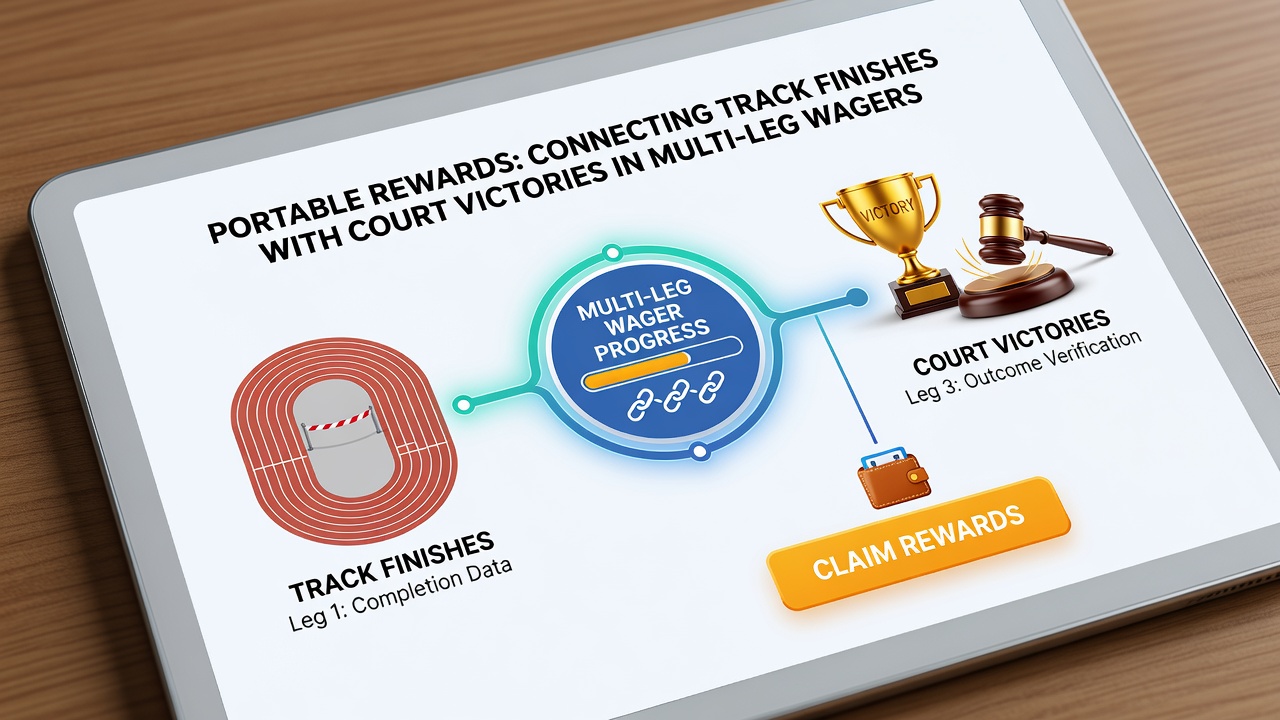
Portable reward structures have expanded to connect finishes at racing tracks with victories on basketball courts in multi-leg wagers, and operators now integrate these incentives into single platforms that allow users to combine outcomes from different sports. Data from industry reports indicate that such systems track performance across events and apply bonuses when multiple legs succeed within specified timeframes. Observers note that these portable incentives often appear as welcome bonuses or loyalty points that transfer value between racing and court-based betting markets. In July 2026, several platforms reported increased activity in combined wagers where a horse racing leg precedes a basketball leg, with reward multipliers applied upon completion of both.Mechanics of Cross-Sport Multi-Leg Structures
Multi-leg wagers require users to select outcomes across separate events, and portable rewards function by carrying value from one completed leg to the next. When a track finish meets the predicted result, the system updates the overall stake and applies any associated bonus before the court victory leg begins. This sequential processing reduces the need for separate accounts or manual transfers.
Researchers at the Australian Gambling Research Centre have documented how these mechanisms operate in regulated markets, where software links horse racing data feeds directly to basketball score updates. The connection allows real-time adjustment of remaining legs and automatic credit of portable rewards once conditions are met.
Market Data on Combined Wager Growth
Figures from the Canadian Centre on Substance Use and Addiction reveal rising participation in multi-sport accumulators that span racing and court events. In the first half of 2026, combined wagers accounted for a measurable portion of total handle in jurisdictions where mobile platforms operate under unified licensing frameworks.
Platforms distribute portable rewards through loyalty tiers that reset monthly, and users accumulate points from successful track finishes that later offset stakes on basketball court victories. This structure encourages longer engagement periods across different event types without requiring additional deposits for each sport.
Regulatory Context Across Regions
Authorities in Australia and Canada have issued guidelines that require clear disclosure of how portable rewards convert between sports categories. These rules mandate that operators display the exact multiplier or point value applied when a racing leg connects to a basketball leg in the same wager.
Industry associations such as the World Lottery Association have published reports noting that transparent reward systems reduce disputes over multi-leg outcomes. The reports highlight examples where users completed a track finish leg on one day and applied accumulated credits to a court victory leg the following evening, all within a single portable balance.
Technical Integration of Data Feeds
Operators rely on standardized APIs that pull finishing positions from racing tracks and final scores from basketball courts into one processing engine. When both legs resolve successfully, the system automatically calculates the combined payout and adds any portable reward component before settlement.
Studies conducted by university researchers in the European Union have examined the timing accuracy of these feeds, confirming that delays rarely exceed a few seconds between event conclusion and reward application. Such precision supports the reliability of multi-leg wagers that span different time zones and event schedules.
Examples of Reward Application
One documented case involved a user placing a two-leg wager on a specific horse to finish in the top three at a track meeting followed by a basketball team to win by a set margin. After the track result confirmed, portable points transferred to increase the effective stake on the basketball leg, resulting in an adjusted return upon court victory confirmation.
Another instance showed rewards earned from multiple racing finishes applied across several basketball court victories within the same week, demonstrating how portable systems accumulate value across repeated multi-leg combinations. Operators log these sequences to maintain compliance records.
Conclusion
Portable rewards that connect track finishes with court victories continue to evolve within multi-leg wager frameworks, supported by integrated data systems and regional regulatory oversight. Available statistics show steady adoption across licensed markets, with technical standards ensuring consistent application of incentives across sports categories.