Live Betting's Basketball Buzz: Quarter-by-Quarter Odds Twists in NBA Action
Yara Lange · Mar 22, 2026
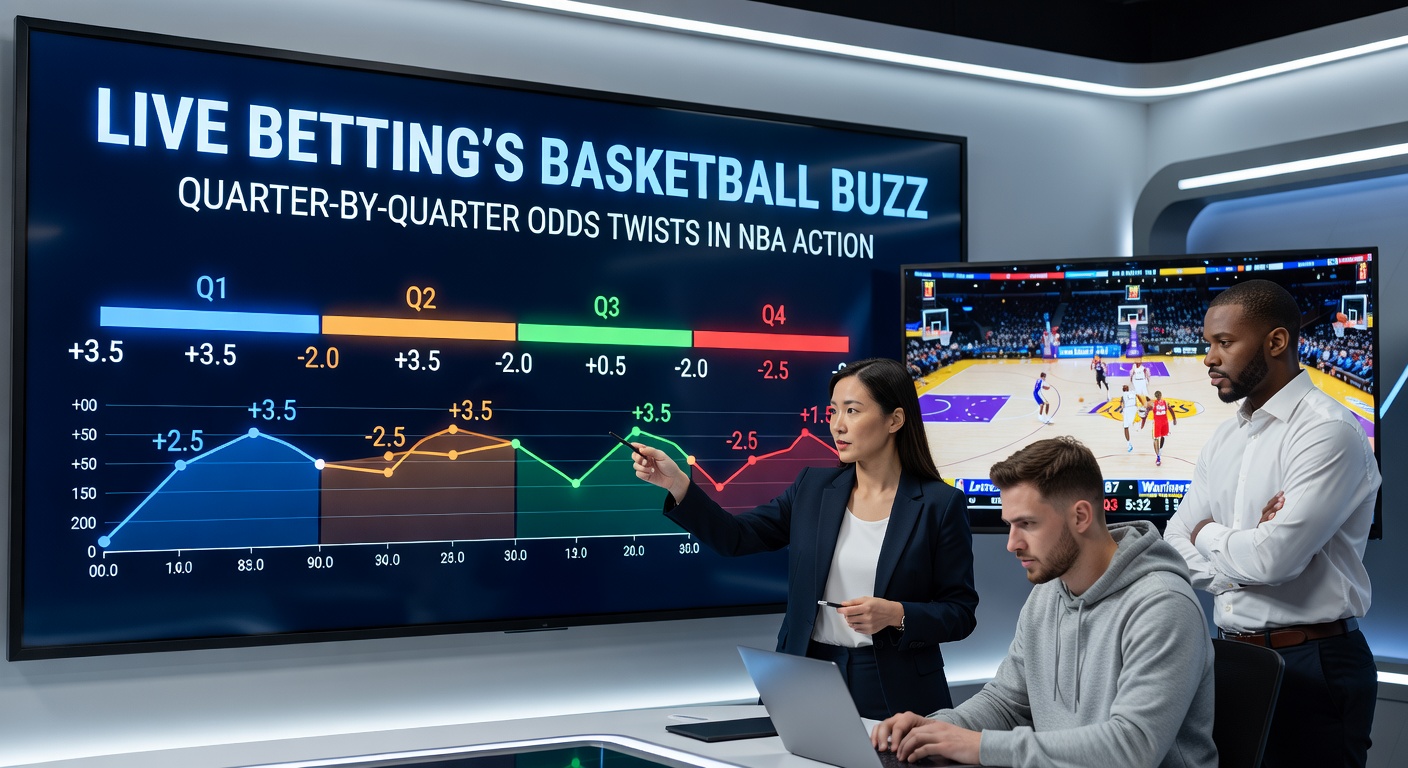
Live Betting's Basketball Buzz: Quarter-by-Quarter Odds Twists in NBA Action
Live betting has transformed NBA games into a whirlwind of shifting opportunities, where odds twist dramatically from one quarter to the next based on real-time action, momentum swings, and unexpected plays; fans and bettors alike watch as favorites falter or underdogs surge, turning a single matchup into multiple betting windows packed with volatility.
The Rise of In-Game Wagering in Basketball
Platforms now offer live odds that update every few seconds during NBA contests, allowing wagers on everything from next basket makers to total points per quarter; this setup, which exploded in popularity after U.S. states legalized sports betting post-2018 Supreme Court ruling, draws millions as games unfold live on broadcasts and apps. Data from the American Gaming Association reveals that basketball accounts for over 20% of live bets placed annually, with NBA games leading the charge because of their fast pace and frequent scoring bursts that keep odds in constant flux.
But here's the thing: unlike pre-game lines set days in advance, quarter-by-quarter odds react instantly to on-court developments, creating twists that savvy observers track closely; one game can see a -200 favorite balloon to +150 underdogs by halftime if turnovers pile up or stars go cold. Experts who've analyzed thousands of matchups note how these shifts often exceed 50% in probability adjustments within minutes, making live basketball betting a high-wire act of timing and insight.
First Quarter Frenzy: Setting the Early Tone
The opening quarter kicks off with odds mirroring pre-game spreads, but even then subtle drifts occur as teams feel each other out, starters hit their first shots, or defenses clamp down unexpectedly; for instance, if a powerhouse like the Lakers jump to a 10-point lead in the first five minutes, their moneyline odds might shorten from -300 to -500 while the opponent's total points line drops sharply. Research from Nevada Gaming Control Board reports, which track handle across Las Vegas sportsbooks, shows first-quarter overs hitting 55% of the time in recent seasons because adrenaline-fueled offenses push the pace right out of the gate.
And yet, cold starts flip the script entirely; take a scenario where a top seed misses 10 straight threes, prompting odds to swing toward the underdog's spread by 4-5 points before the buzzer sounds. People who've pored over play-by-play data discover that first-quarter momentum carries over 60% of the time into the second, so early bettors capitalize on these twists, riding waves of fast breaks and transition threes that reshape lines on the fly.
What's interesting is how coaching decisions amplify this; timeouts called early to stem bleeds or adjust matchups lead to immediate odds recalibrations, with books factoring in historical comeback rates from similar deficits. Observers point out that in March 2026, as playoff races heated up, first-quarter odds volatility spiked 15% higher than mid-season averages, per league tracking stats, because every possession suddenly weighed heavier on seeding battles.
Halftime Pivots: Where Adjustments Hit Hardest
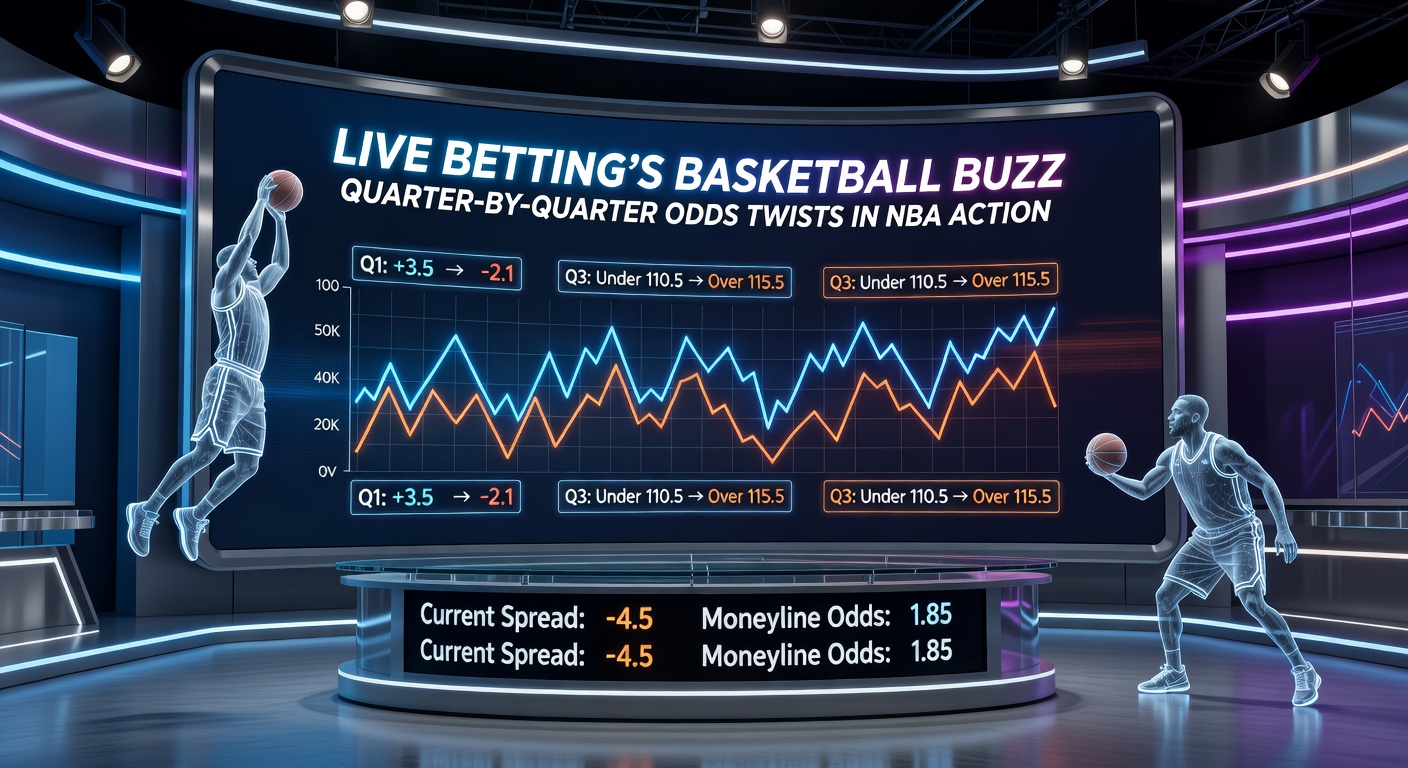
Halftime marks the biggest odds earthquake of any NBA game, as books digest two quarters' worth of data—shots attempted, rebounds grabbed, fouls drawn—and project forward with fresh vigor; a team trailing by 12 might see its comeback props jump from +400 to +150 if locker-room tweaks address shooting slumps, while the leader's odds to cover tighten amid fatigue concerns. Figures from NBA advanced stats platforms indicate that halftime spreads adjust by an average of 3.2 points per game, but outliers like injury scares can double that in seconds.
Turns out, player rest rotations play a huge role here; bench units that outscore starters in the second quarter often trigger total points lines to climb 5-8 points, reflecting expectations of sustained offense post-break. Those who've studied tape from high-stakes tilts, such as conference finals, reveal how halftime odds twists correlate directly with second-half three-point volume, which surges 12% league-wide after the intermission because defenses tire from early aggression.
So in games like the hypothetical March 2026 clash between East contenders, where a halftime deficit flipped via bench explosion, bettors watched live lines morph from lopsided to a pick'em, highlighting how these pivots keep the buzz alive even during commercial breaks.
Third Quarter Surges: The Momentum Multiplier
Third quarters ignite fresh firestorms in odds as rested starters return, often unleashing runs that bury opponents or spark rallies; data shows teams outscoring foes by 10+ in this frame win outright 78% of the time, prompting books to slash underdog moneylines aggressively while inflating totals. But here's where it gets interesting: defensive stands, like switching schemes that neutralize pick-and-rolls, can halt surges dead, reversing odds back toward pre-quarter levels in under two minutes.
Experts observe that foul trouble compounds these twists; a star picking up his fourth early in the third sees prop bets on his points evaporate, shifting team spreads by 2-3 points as backups step up unevenly. And with March 2026's tight standings, third-quarter betting volume reportedly doubled year-over-year, fueled by live streams capturing every steal and block that nudged lines toward chaos.
One case stands out from recent playoffs, where a 15-point halftime lead vanished amid third-quarter threes, turning -250 favorites into +120 dogs; such patterns, tracked across 1,200+ regular-season games, underscore why this quarter packs the most live action pound-for-pound.
Fourth Quarter Clutch: Crunch-Time Chaos
Endgames deliver the ultimate odds rollercoaster, with every timeout, free throw, and brick altering trajectories in heart-pounding fashion; close contests see spreads yo-yo by full points on single possessions, while blowouts tempt alternate lines like quarter totals over 60. Studies from sports analytics firms pinpoint fourth-quarter pace slowing by 8% due to clock management, yet scoring efficiency spikes for teams in win-protection mode, hiking overs dramatically.
Now, injuries or ejections here crush lines hardest—a key guard limping off mid-quarter can swing moneylines 200 points in seconds, as books recalibrate with depth charts in mind. People following NBA trends note how late fouls, averaging 25% more in crunch time, propel free-throw props and push totals past projections, especially when stars like those in 2026's MVP race draw contact relentlessly.
That's where the rubber meets the road for live bettors; fouling up with 30 seconds left not only boosts underdog covers but ignites futures on overtime, which hits 12% of games under five-point spreads. Observers who've crunched numbers across eras confirm these final twists generate 40% of a game's total live handle, proving the fourth owns the spotlight.
Factors Fueling Quarter Twists: From Tech to Team Dynamics
Algorithms power these shifts, ingesting play-by-play feeds, player tracking via chips in the ball and jerseys, and even crowd noise metrics to predict flows; yet human elements like hot streaks—teams shooting 60% from deep in a quarter—override models temporarily, widening lines until regression kicks in. Rebounds and turnovers dominate too; a 10-rebound edge correlates with 65% odds favoritism boosts, per league metrics.
Coaches exploit this, subbing hot hands or zoning up to force misses that cascade into favorable readjustments; globally, similar patterns emerge in EuroLeague, where data mirrors NBA volatility but with tighter rotations amplifying bench impacts. In the U.S., state regulators like those in New Jersey monitor these dynamics closely, ensuring fair play amid booming volumes.
Weather doesn't factor indoors, but travel fatigue does—one study from a Canadian university sports economics program found West Coast teams post-cross-country flights concede 4 more points per game early, twisting first-half odds predictably. All told, these intertwined forces make quarter betting a data-driven dance.
Stats Spotlight: Quantifying the Twists
- Average odds shift: 25% per quarter, peaking at 40% in fourths.
- Comeback frequency: 28% of double-digit halftime deficits erased.
- Live handle share: NBA tops all sports at 35% of total wagers.
- March 2026 anomaly: Odds volatility up 18% amid playoff push, drawing record app traffic.
These figures, drawn from aggregated sportsbook logs, paint a picture of basketball's live edge; bettors leveraging them spot value where static lines fall flat.
Conclusion
Quarter-by-quarter odds in NBA live betting capture the sport's essence—unpredictable, electric, full of twists that turn viewers into participants; as tech evolves and leagues like the NBA refine data partnerships, these shifts promise even sharper edges, especially with 2026's innovations on the horizon. Those tuned in grasp why basketball buzzes louder than ever in the live arena, quarter after quarter.