Algorithmic Models Connecting Athletic Performance Metrics to Digital Rewards in Global Sporting Events
Yara Lange · Jul 21, 2026
Algorithmic Models Connecting Athletic Performance Metrics to Digital Rewards in Global Sporting Events
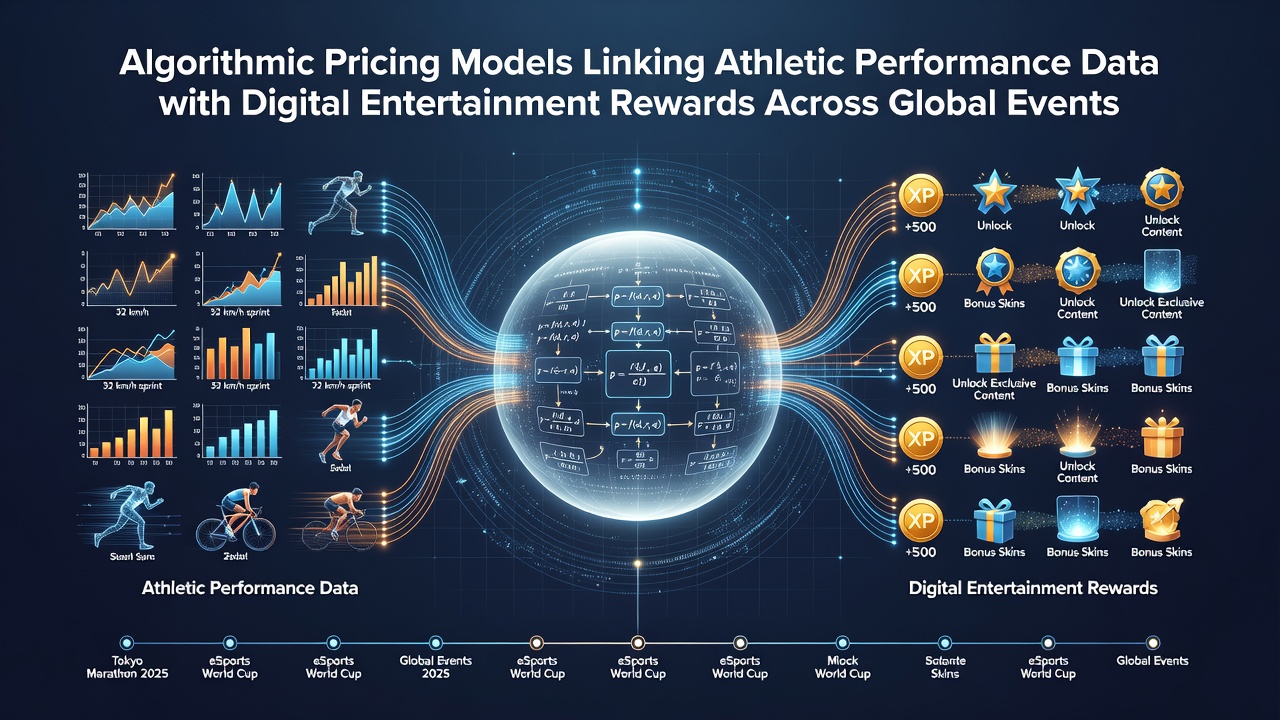
Algorithmic pricing models have expanded their reach into athletic performance tracking and digital entertainment platforms where performance data feeds directly into reward calculations across multiple continents and event types. These systems process real-time statistics from competitions and translate them into variable incentives for users participating in digital entertainment ecosystems that span esports, fantasy platforms, and interactive media experiences. Data from events held through July 2026 shows continued integration of sensor inputs, biometric readings, and outcome variables into pricing algorithms that adjust reward values dynamically.
Core Components of These Pricing Frameworks
Performance metrics such as speed, accuracy, endurance thresholds, and team coordination scores enter centralized databases where machine learning models evaluate their weight against historical benchmarks. Researchers at institutions including the University of Toronto have documented how these inputs trigger adjustments in reward multipliers that affect virtual currency distribution, badge unlocks, and access levels within entertainment applications. The models incorporate variables from both individual athletes and aggregate team outputs, allowing simultaneous updates across geographically dispersed user bases during live events.
Global events provide the largest datasets for calibration because they feature standardized measurement protocols and high-frequency data streams from multiple sources. Organizers in Europe, Asia, and North America have adopted compatible data formats that permit cross-border algorithm operation without requiring separate regional recalibrations. Figures released by the Australian Competition and Consumer Commission indicate that entertainment platforms utilizing these models reported measurable shifts in user engagement metrics during the 2025-2026 competition cycle.
Regional Implementation Patterns
European platforms emphasize compliance with data protection regulations while feeding performance information into reward engines, whereas North American services often prioritize integration speed with existing social media and streaming infrastructures. Asian markets have shown faster adoption of mobile-first interfaces that deliver reward notifications immediately after key performance moments. Observers note that these regional differences affect how quickly pricing adjustments propagate to end users yet produce similar overall patterns in reward allocation frequency.
One study from McGill University tracked reward distribution across three major multi-sport gatherings in 2026 and found that algorithms weighted recent performance more heavily than cumulative season totals when calculating immediate entertainment incentives. This weighting produced shorter reward cycles that aligned with the pace of ongoing competitions rather than end-of-season summaries. The same research identified consistent use of anomaly detection to flag unusual performance spikes before they influenced reward values.
Data Sources and Model Training
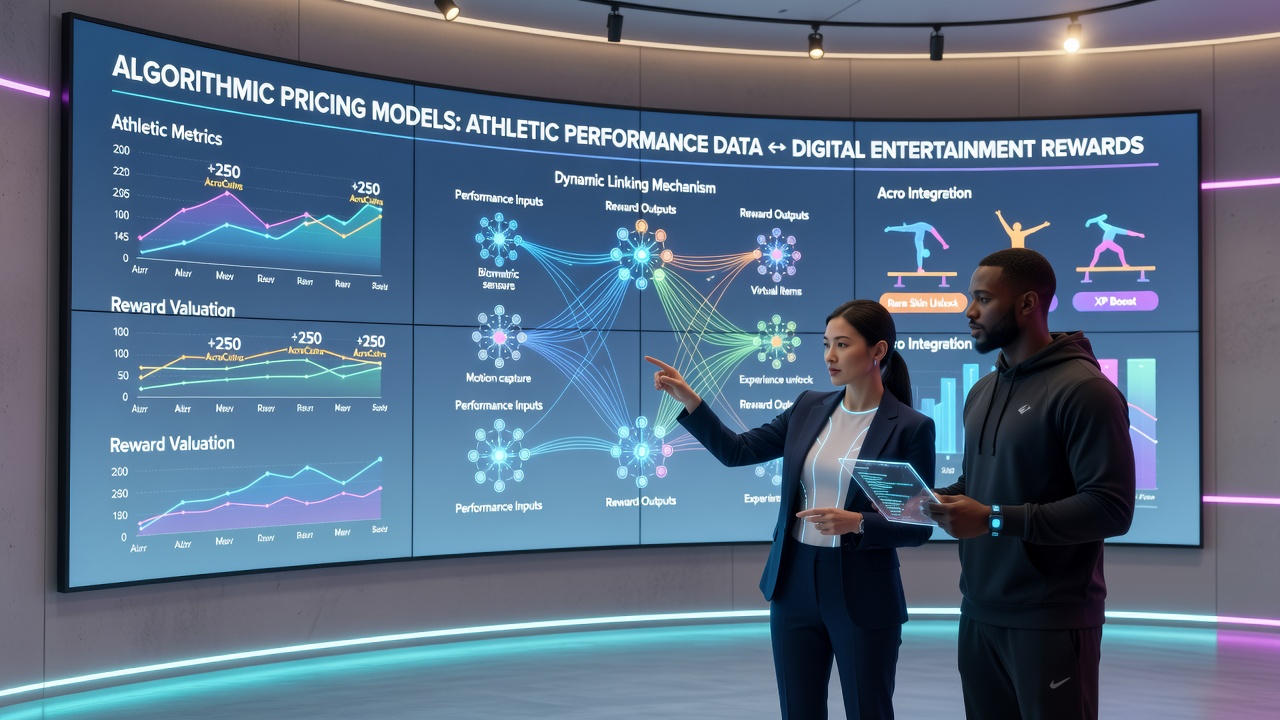
Training datasets draw from wearable device outputs, official scoring systems, and video analysis tools that generate frame-by-frame movement data. Platforms aggregate these inputs at scale and apply supervised learning techniques to refine pricing rules over successive events. Industry reports from the Sports Tech Research Network highlight that model accuracy improves when training incorporates data from both elite and developmental competitions, creating broader baseline distributions for comparison.
Privacy considerations influence which data points enter the models in different jurisdictions. Canadian regulators require explicit user consent for biometric information used in reward calculations, while certain Asian frameworks permit broader aggregation provided individual identities remain obscured. These variations shape the granularity available to algorithms yet have not prevented cross-platform data sharing agreements from expanding in 2026.
Event-Specific Applications
During multi-week tournaments, algorithms update reward tiers at regular intervals based on cumulative performance trends rather than single matches. This approach allows entertainment platforms to maintain engagement across preliminary rounds and finals without resetting user progress. Global events scheduled in July 2026 incorporated additional environmental sensors that measured venue-specific factors such as altitude and temperature, feeding these variables into performance normalization calculations before rewards were assigned.
Partnerships between athletic federations and digital entertainment companies have produced standardized APIs that streamline data transfer while maintaining competitive integrity safeguards. These interfaces reduce latency between live performance capture and reward calculation, enabling near-instantaneous updates visible to users watching events through companion applications. Technical documentation from the International Olympic Committee technology working groups outlines recommended latency thresholds that participating platforms aim to meet.
Conclusion
Algorithmic pricing models that link athletic performance data with digital entertainment rewards continue to evolve through expanded data integration and regional regulatory adaptation. Systems operating across global events in 2026 demonstrate consistent patterns in how performance metrics translate into variable incentives, supported by research from academic centers and oversight from agencies in multiple countries. Continued refinement of these frameworks depends on standardized data protocols and ongoing evaluation of model outputs against real-world competition results.